ELIZABETH TREMANTE
CHARLES KARUBIAN
plus ask to see Jesse Wiedel’s Secret Stash!

Booth N18
Untitled Art, Houston
October 2-4, 2026
VIP and Press Preview Oct 1
George R. Brown Convention Center, Hall A3,
1001 Avenida De Las Americas, Houston, TX

Inquire
Inquire
Inquire
Inquire
Inquire
Inquire
Inquire
Inquire
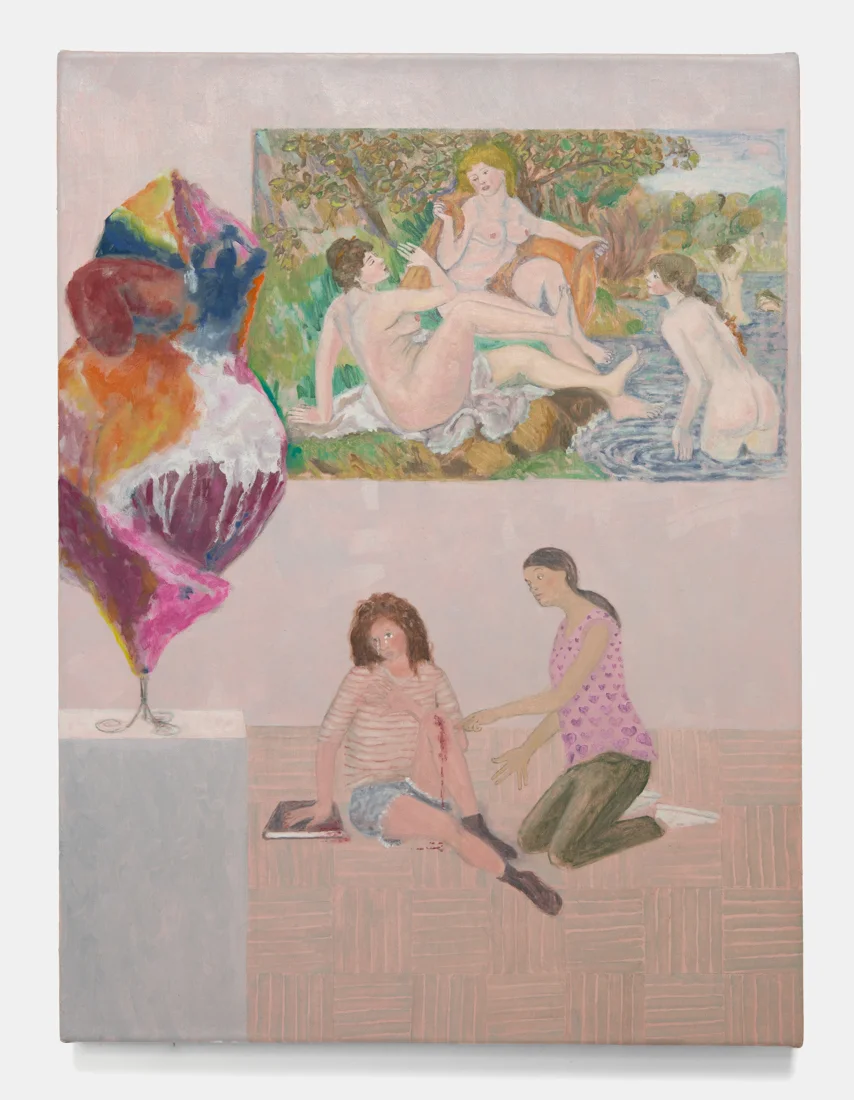
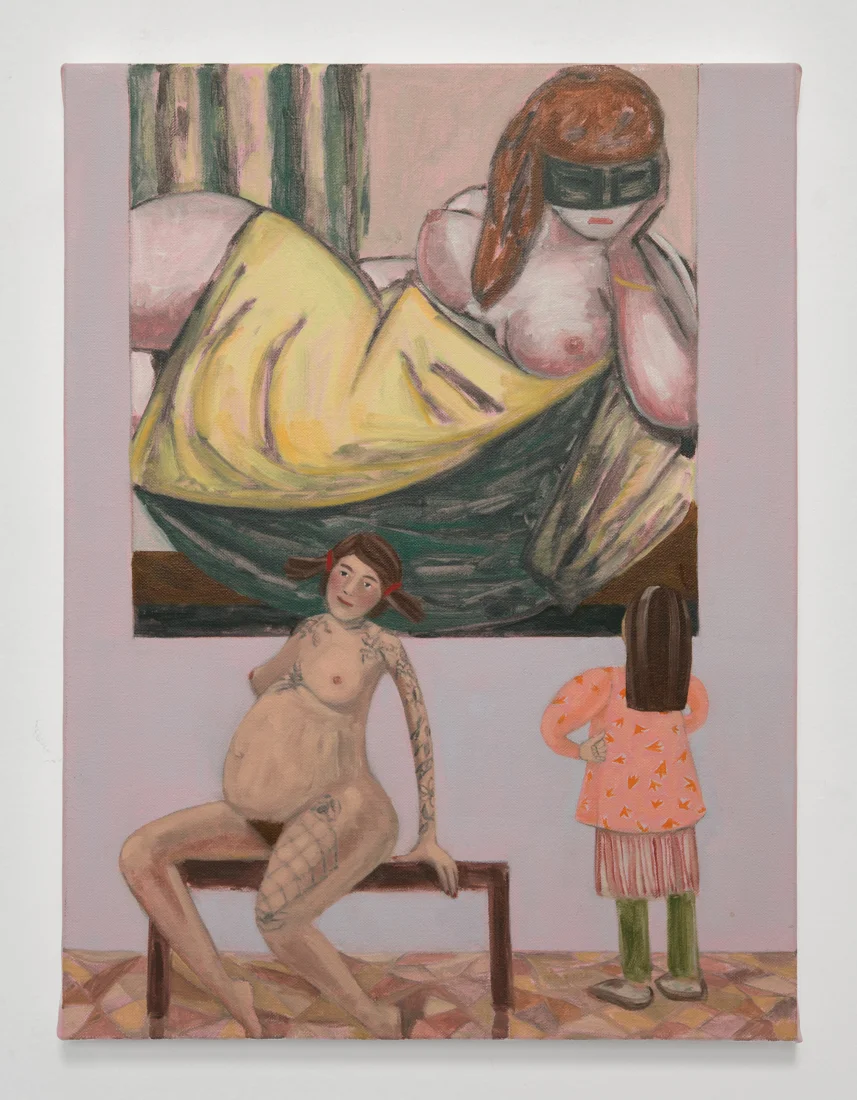
oil on linen, 15 x 12 in.
Inquire
Inquire
Inquire
Inquire
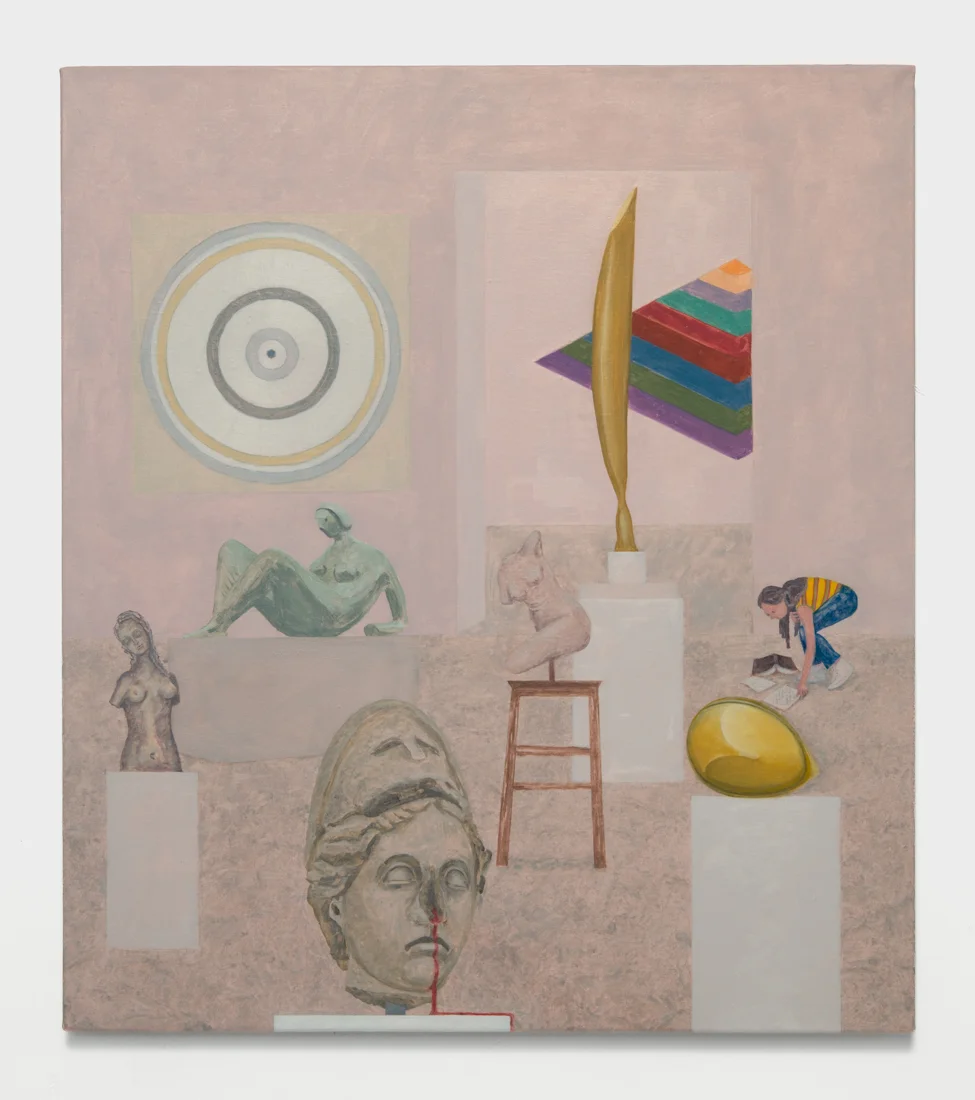
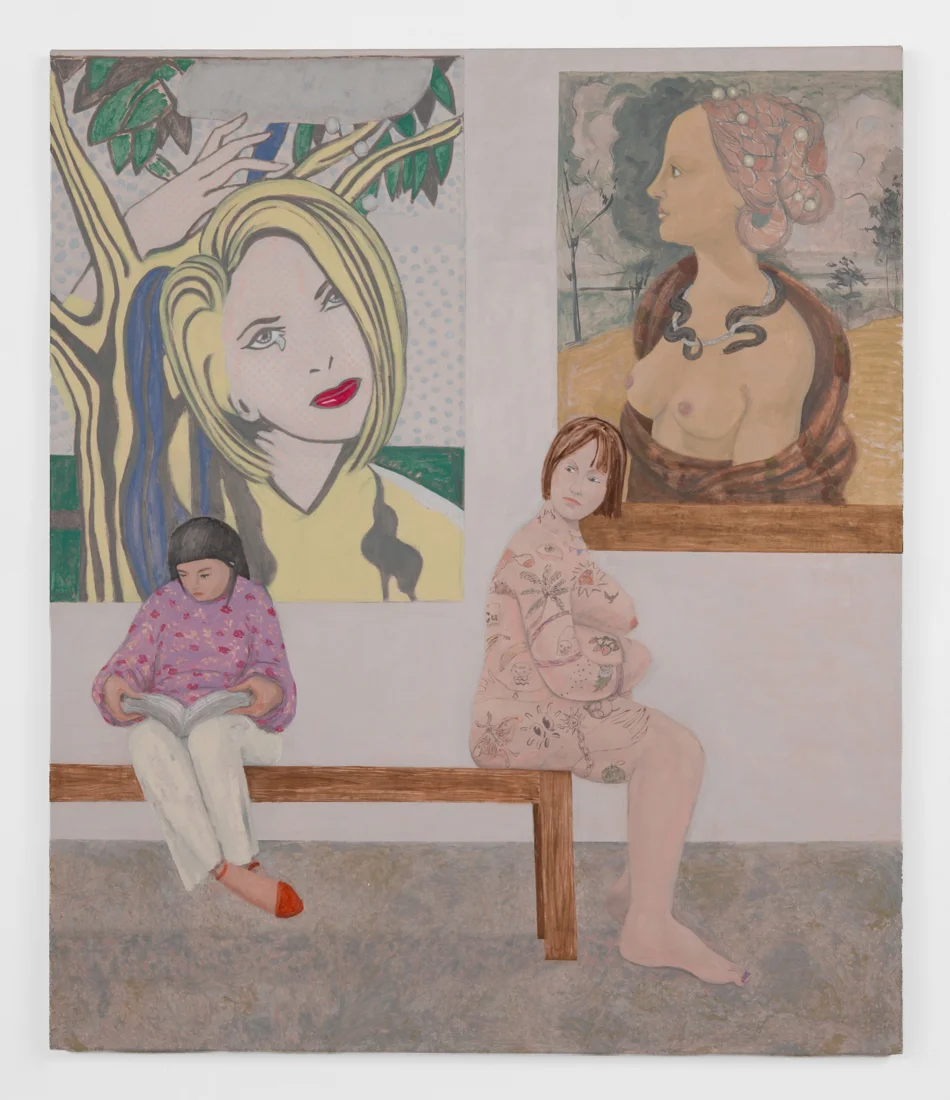
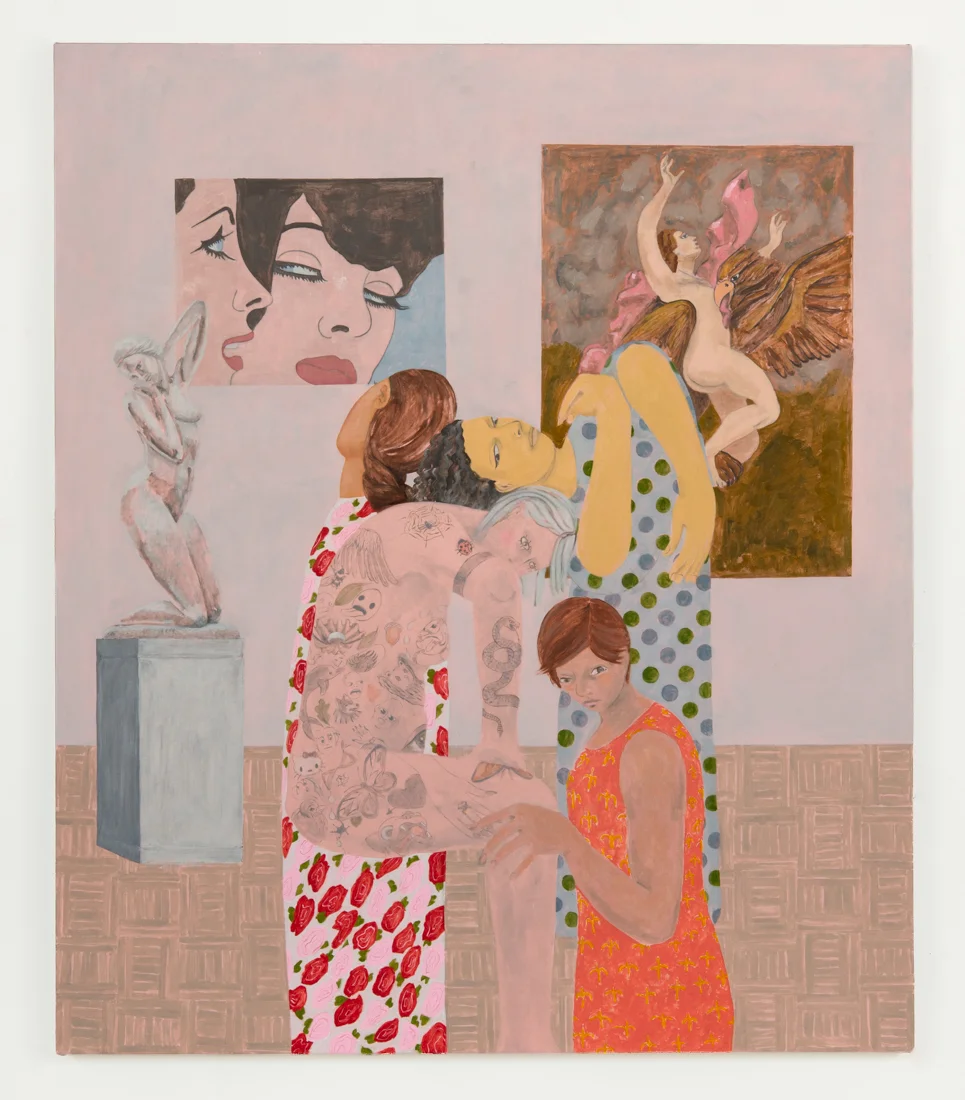
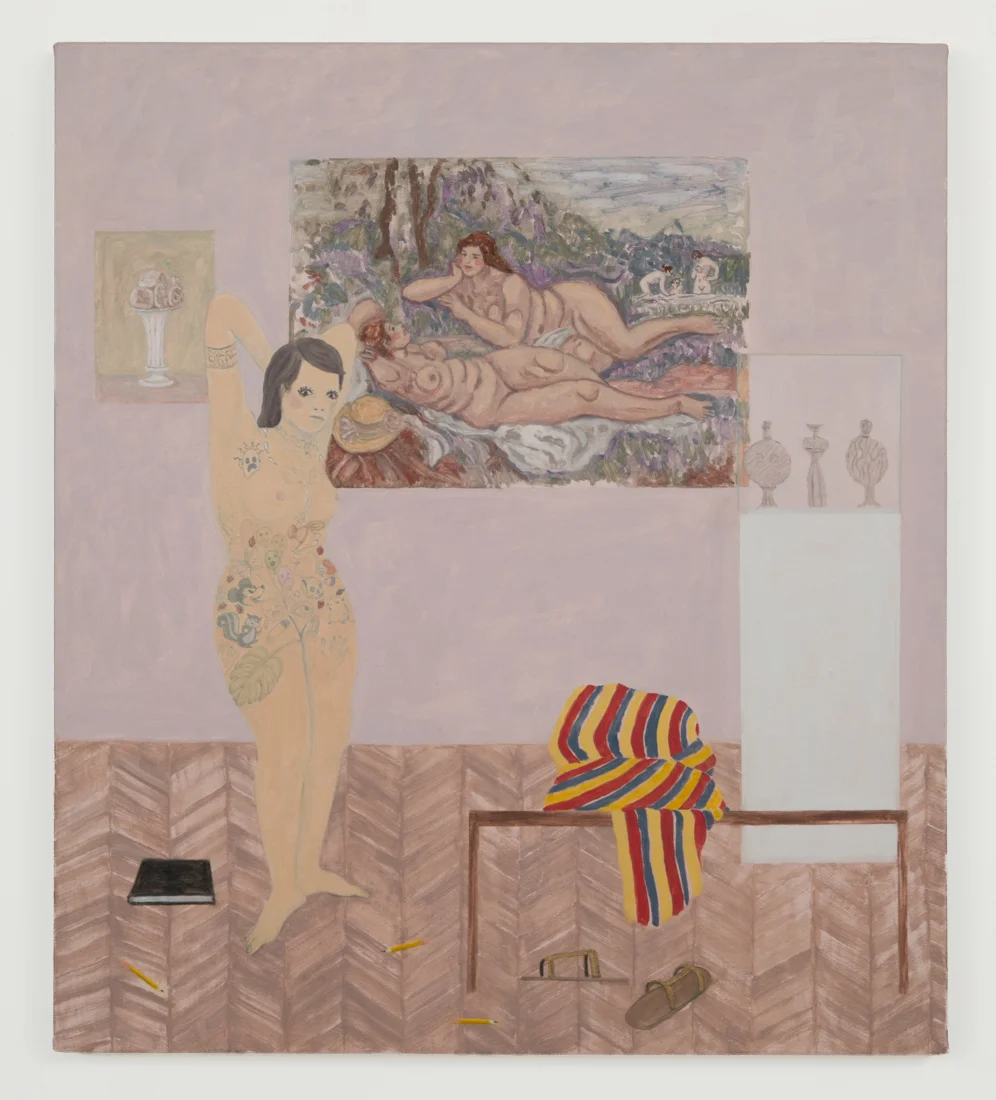
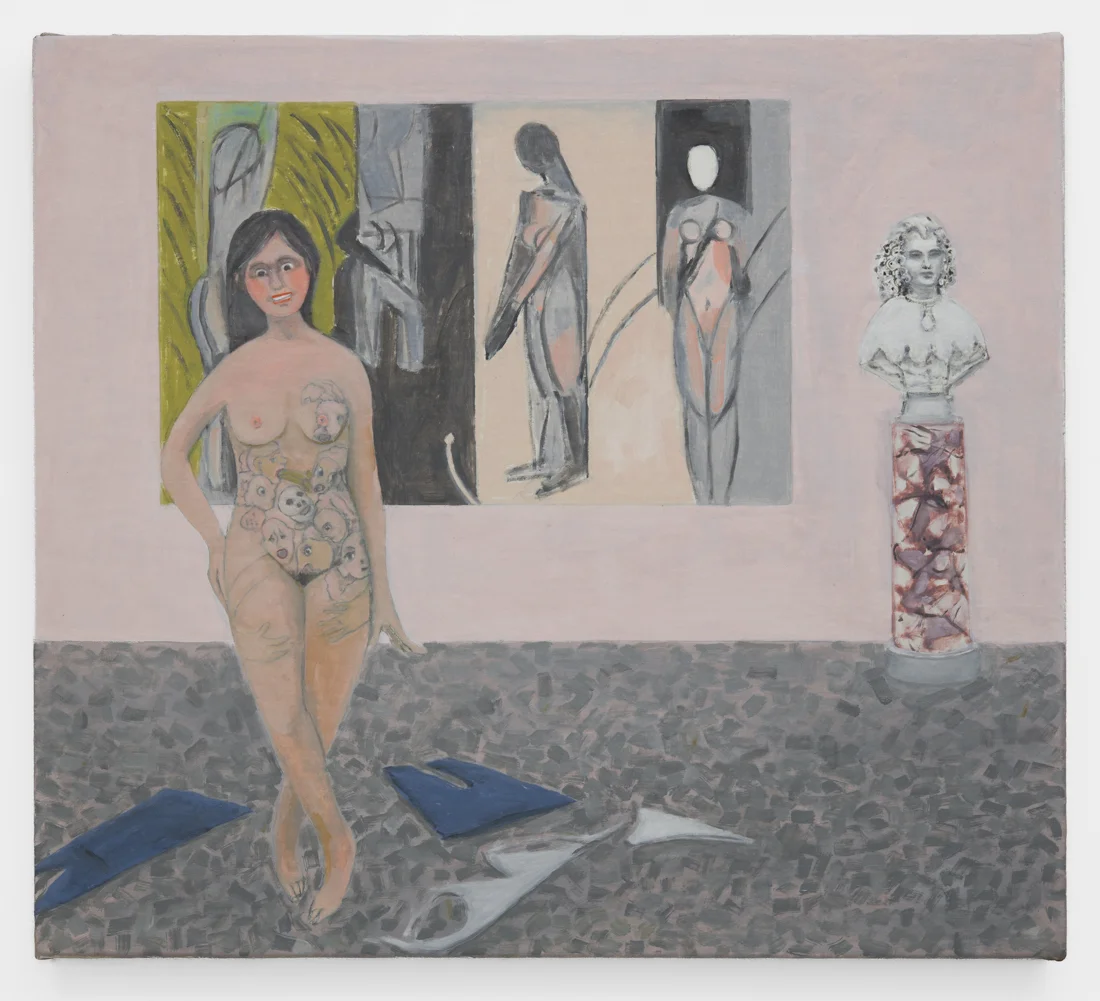
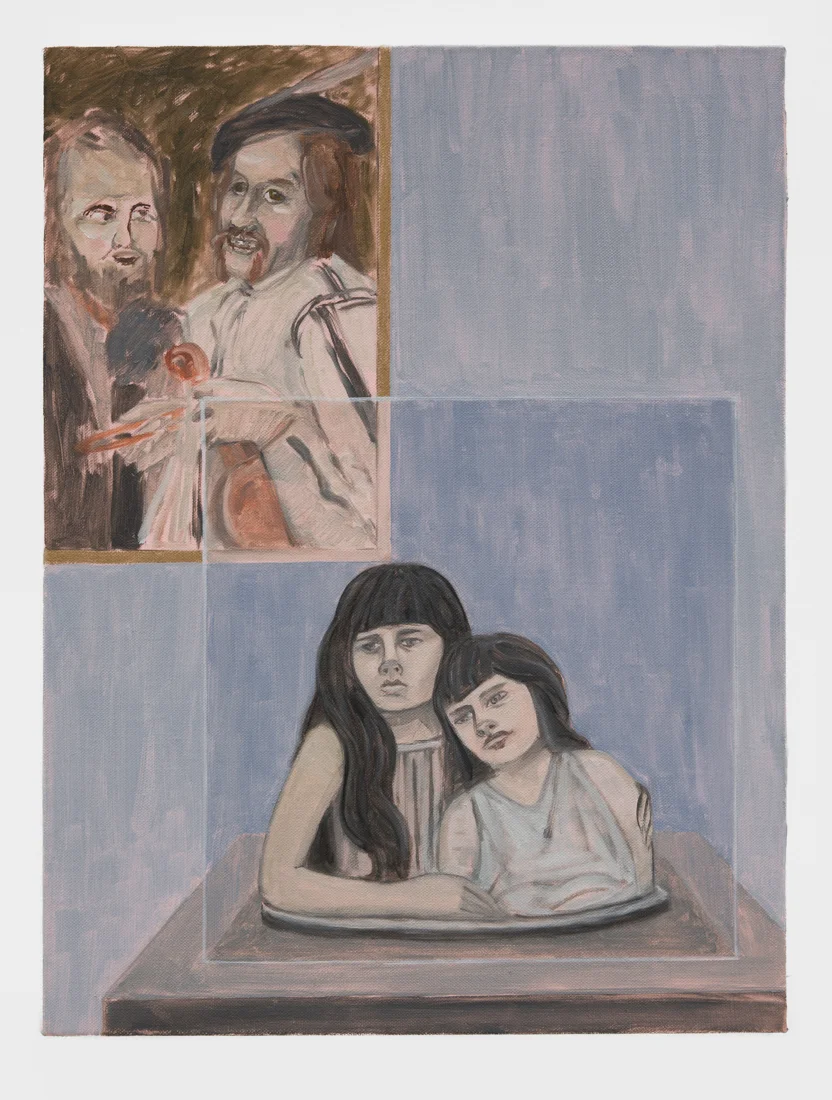
Elizabeth Tremante: (born 1967, Boston) is a Los Angeles based artist who earned her MFA in painting from Stanford University in 1999 and her BA in English Literature from Union College. Tremante learned how to read by sounding out words in MAD Magazine with her father. She grew up on a farm in rural New York, and her early love of political cartoons and satire became the on-ramp to the dark, empathetic humor that drives her paintings — work that takes the idea of turning honored cultural objects into a slapstick comedy of horrors and treats it as both method and worldview.
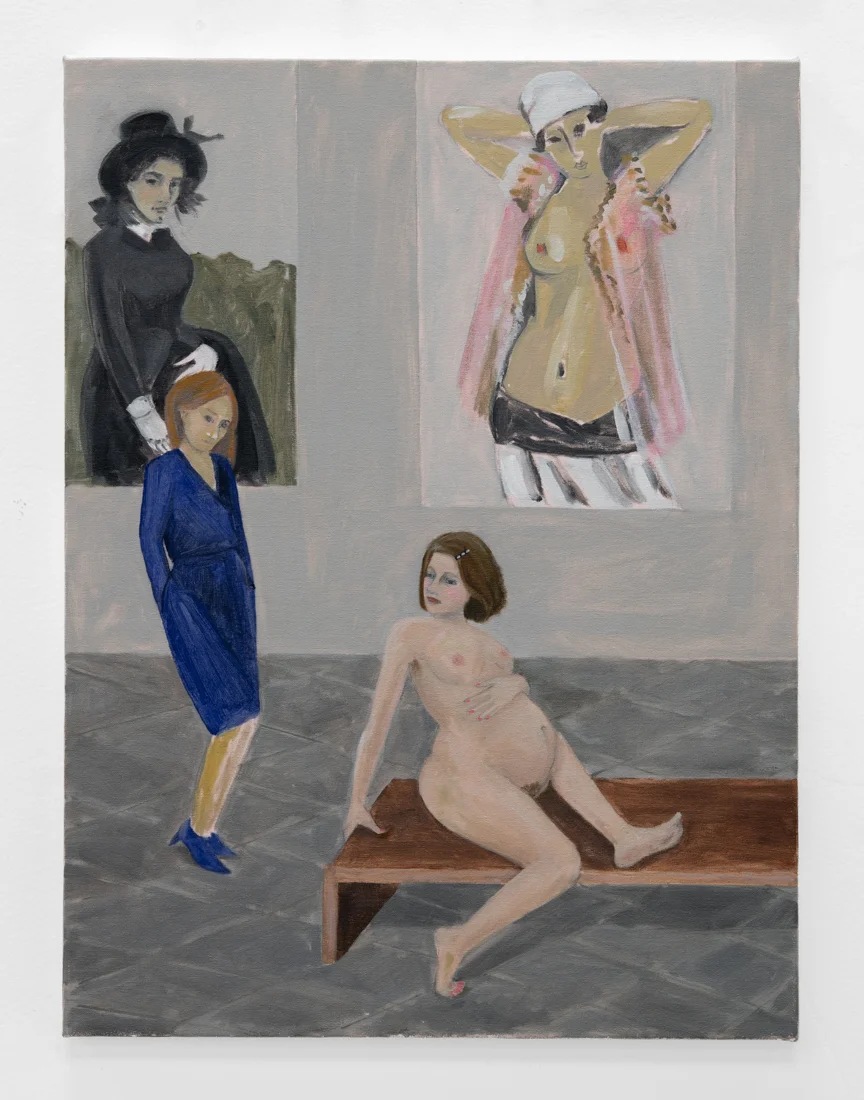
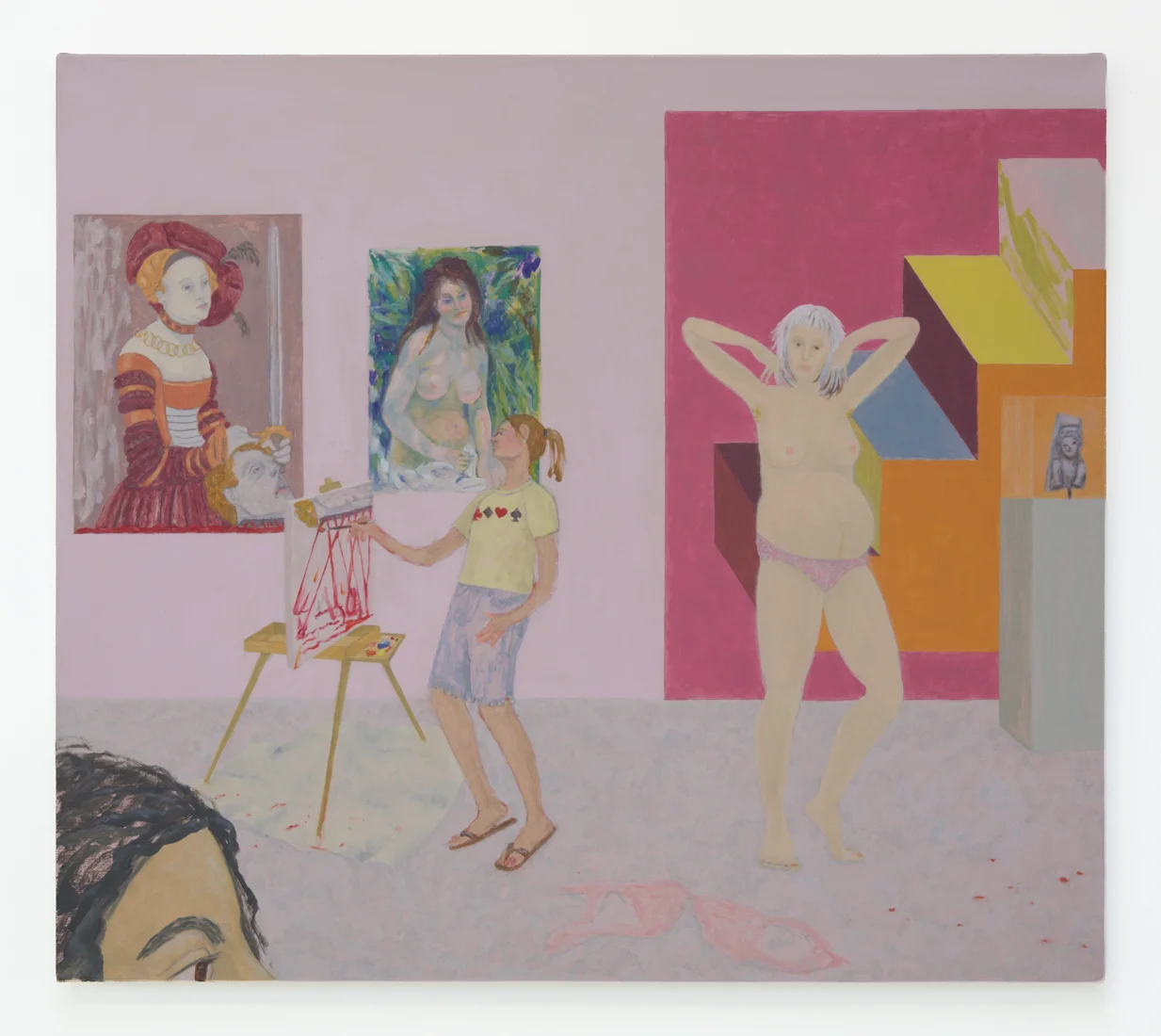
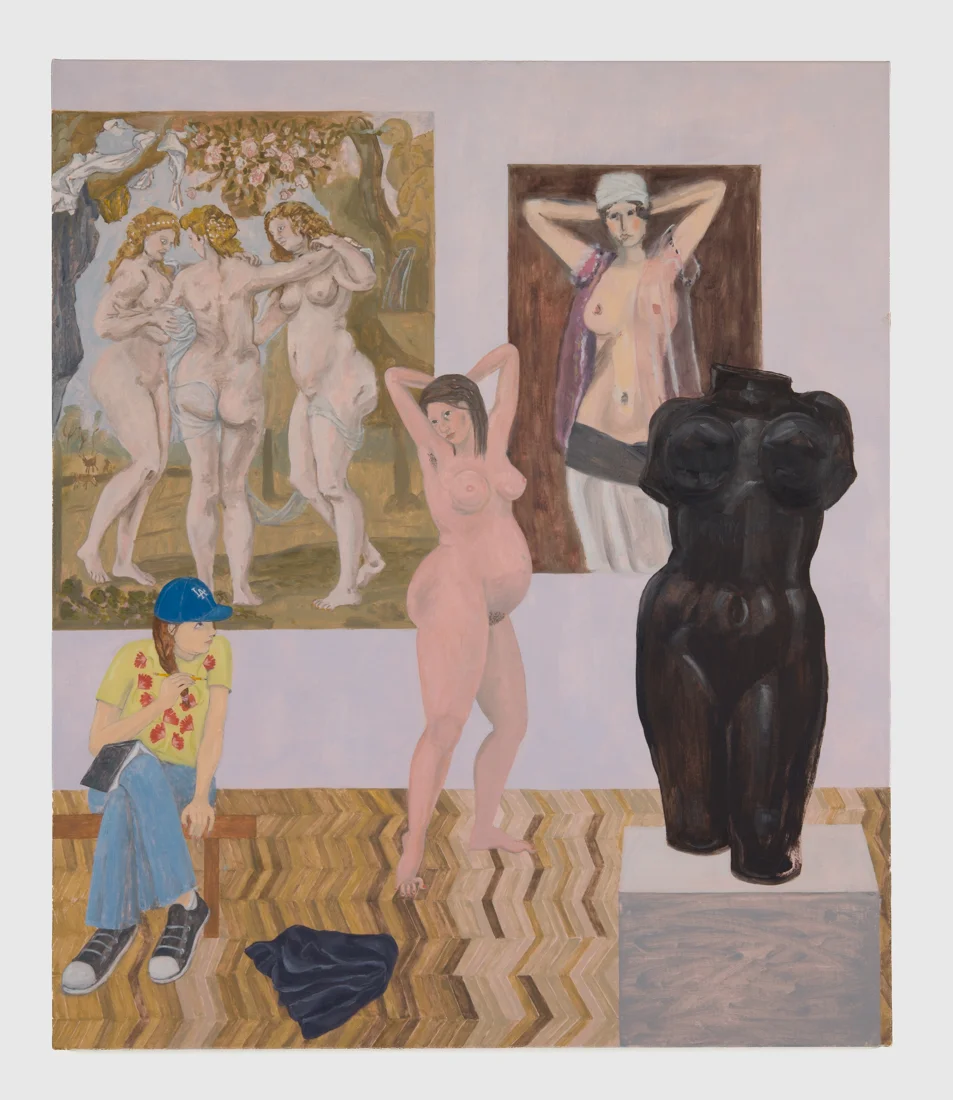
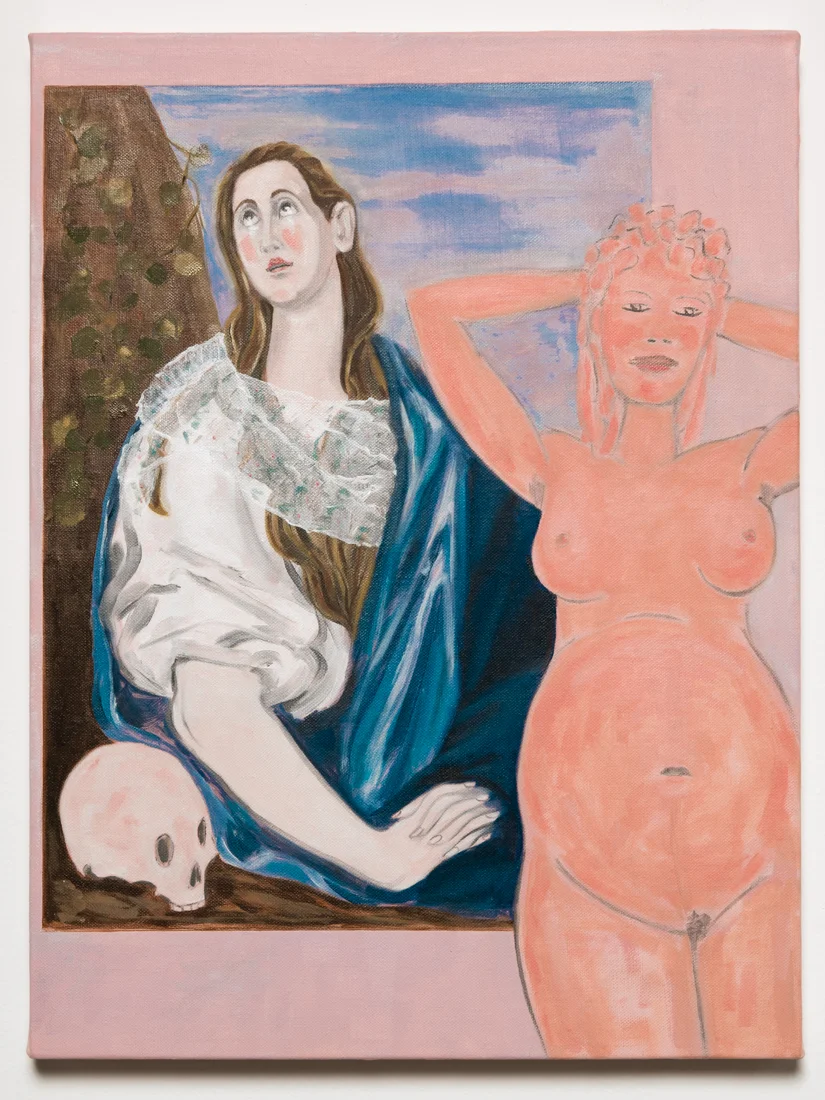
Tremante builds worlds where vulnerable teens, women, children, and parents are unwittingly locked in mortal combat with the violent forces of art history. The exhibitions she depicts in her paintings contain her doctored versions of existing masterworks, calibrated to produce new and destabilizing interpretations. Her figures shimmer with an ungoverned spirit: they vomit, bleed, weep, conspire, play, read, and dream in the types of art spaces that demand silent reverence, drifting on an axis from panic to exuberance, delighting in the sticky frictions that happen when humor interrupts the madness and monumentality of art history. The relationships between the figures and the works they inhabit mirror the overlapping realities of pregnancy, violence, and vulnerability in both historical and contemporary political environments.
Early in her Los Angeles career, Tremante worked extensively in performance. She was a founding member of the LA Art Girls and performed with The Elizabeths, a performance art collective, at venues including The Getty Museum and Track 16 Gallery. That collaborative, irreverent energy — and a commitment to the female body as site of both spectacle and resistance — has remained central to her practice even as painting became her primary form.
The ongoing body of work for which she is best known began after she took her then six-year-old daughter to a museum and realized the galleries were overwhelmingly populated by work made by men — nude and vulnerable women as objects of desire or violence, female bodies cut apart and reconfigured by cubism and abstraction. Galvanized by the 2016 election and the Women’s March in Los Angeles, Tremante returned to the satirical, absurdist drawing she had loved as a teenager and began painting the museum world she wished existed and the one she feared already did. Each scene is intentionally under-painted in a delicate pink, giving the imagined museum an almost flesh-like quality, as though the institution itself is a living body subject to the same vulnerabilities as the figures within it.
Her 2023 solo booth with Spinello Projects at Expo Chicago was called a “discovery” by Eileen Kinsella for Artnet. She is the recipient of the Sustainable Arts Foundation Award, the Puffin Foundation Grant for Artists, and the Lillian Orlowsky and William Freed Grant, the latter accompanied by a solo exhibition at the Provincetown Art Association and Museum. Her work has been reviewed in the Los Angeles Times, Artforum, Flash Art International, Hyperallergic, and Artillery. Serious Topics will also present a solo exhibition with Elizabeth Tremante in Mexico City in February, 2027.

Inquire
Inquire
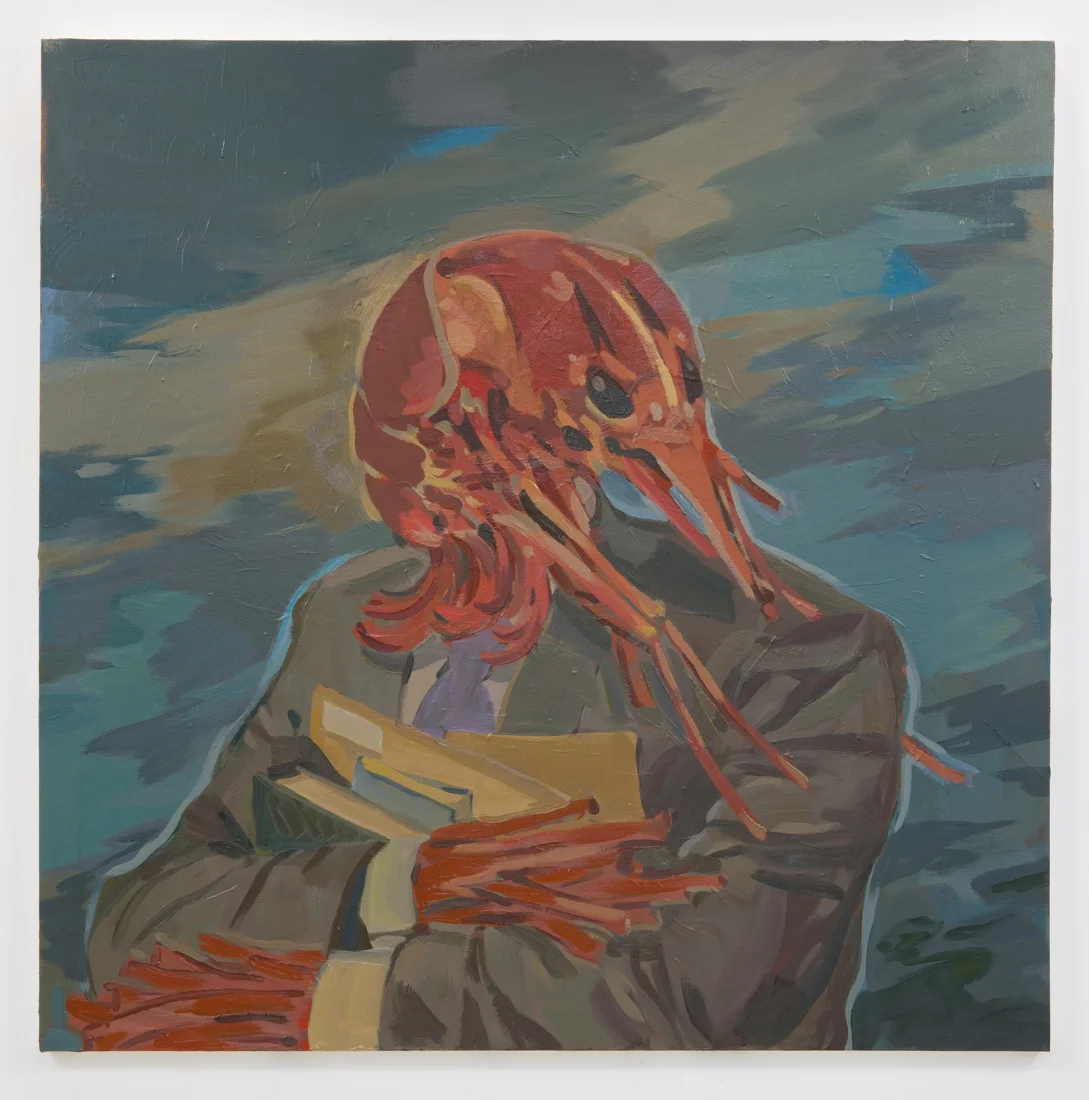
Inquire
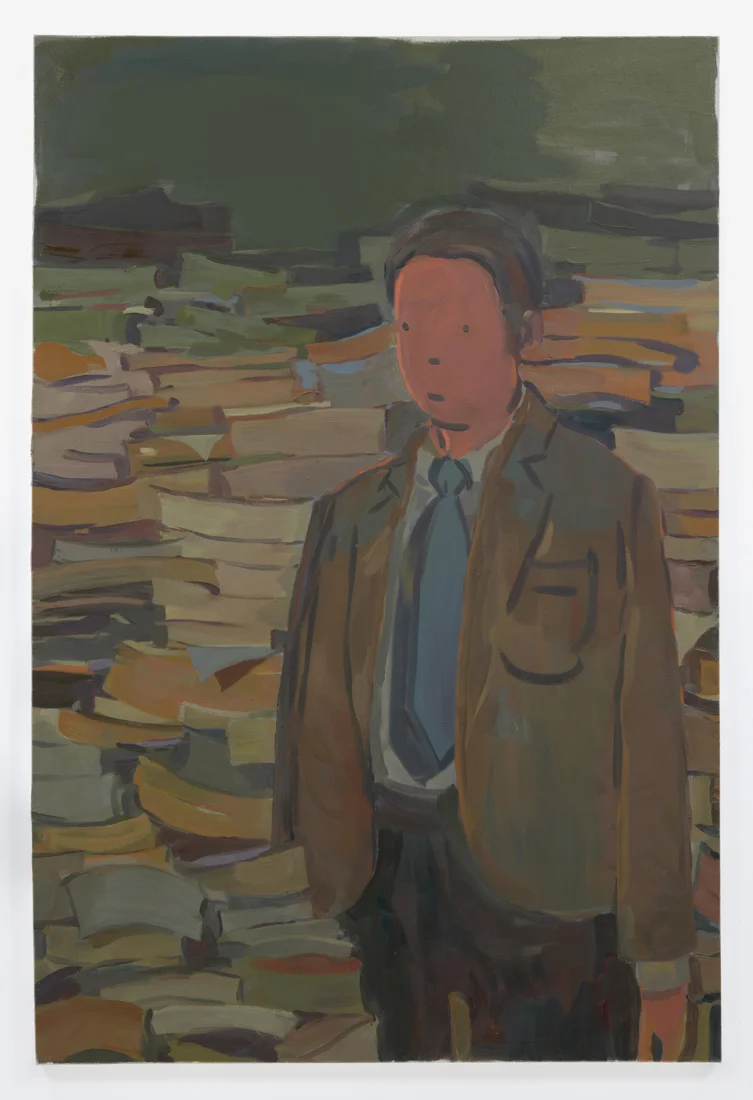
Inquire
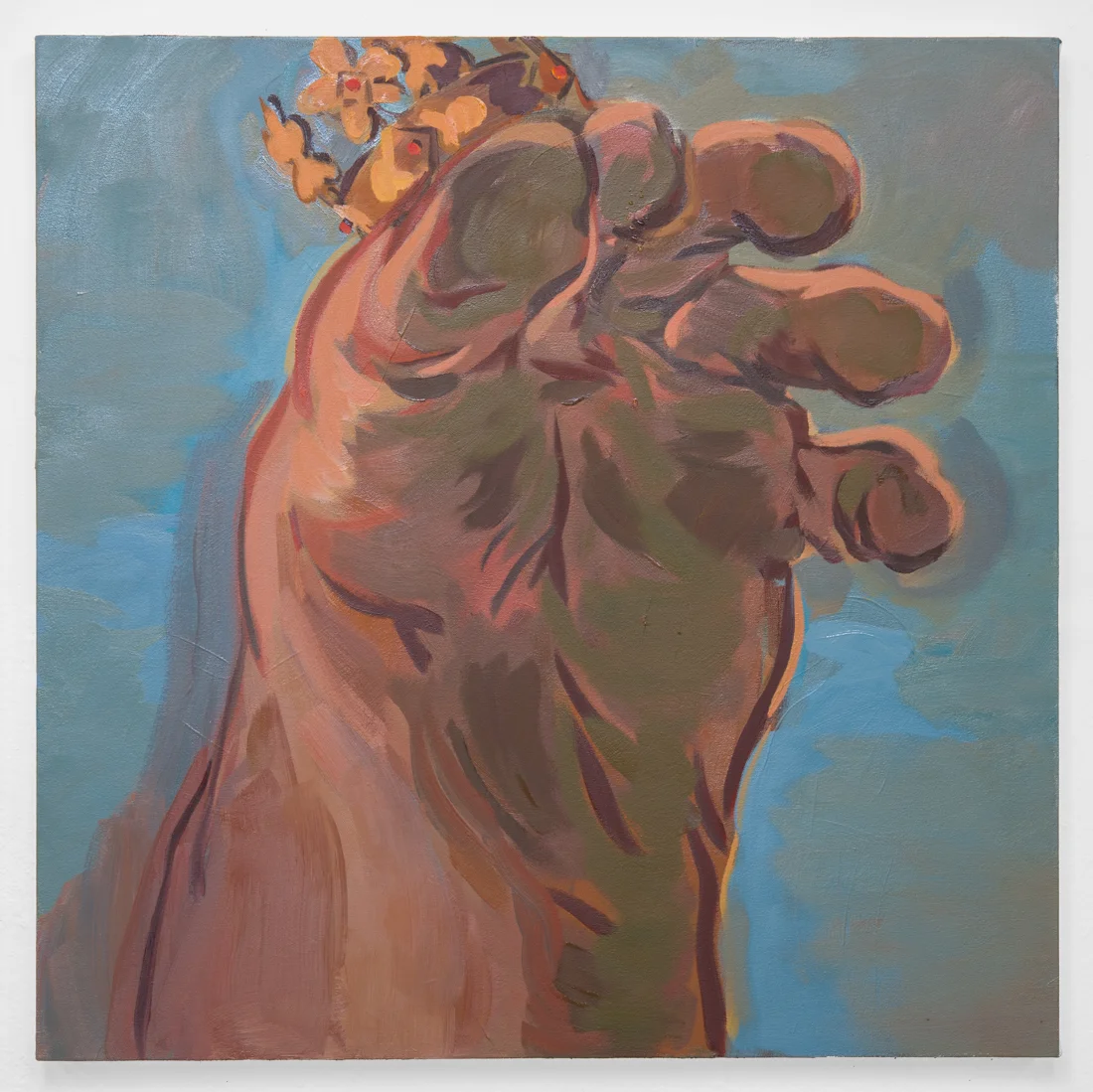
Inquire
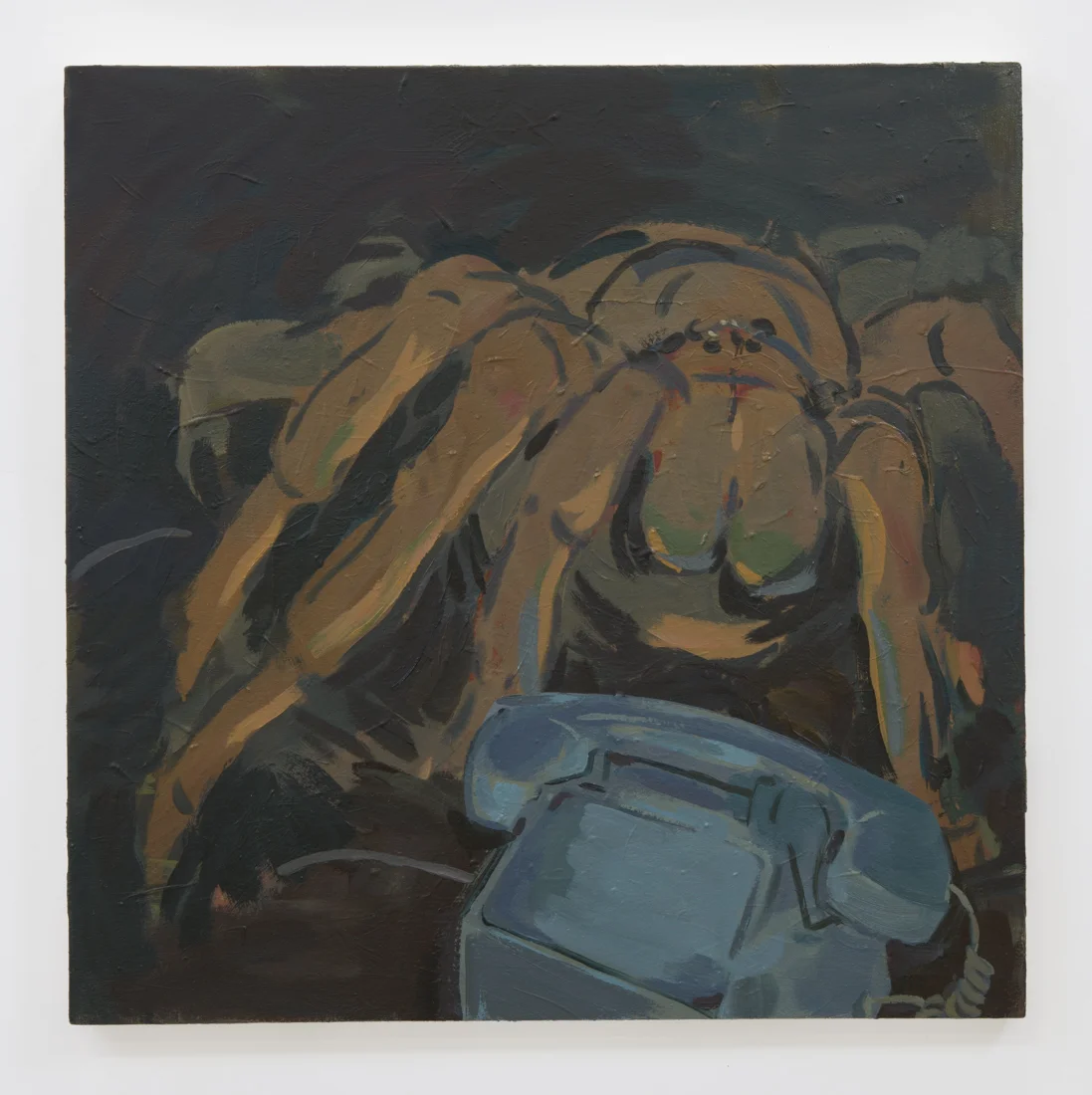
Inquire
Inquire
Inquire
Inquire
Inquire
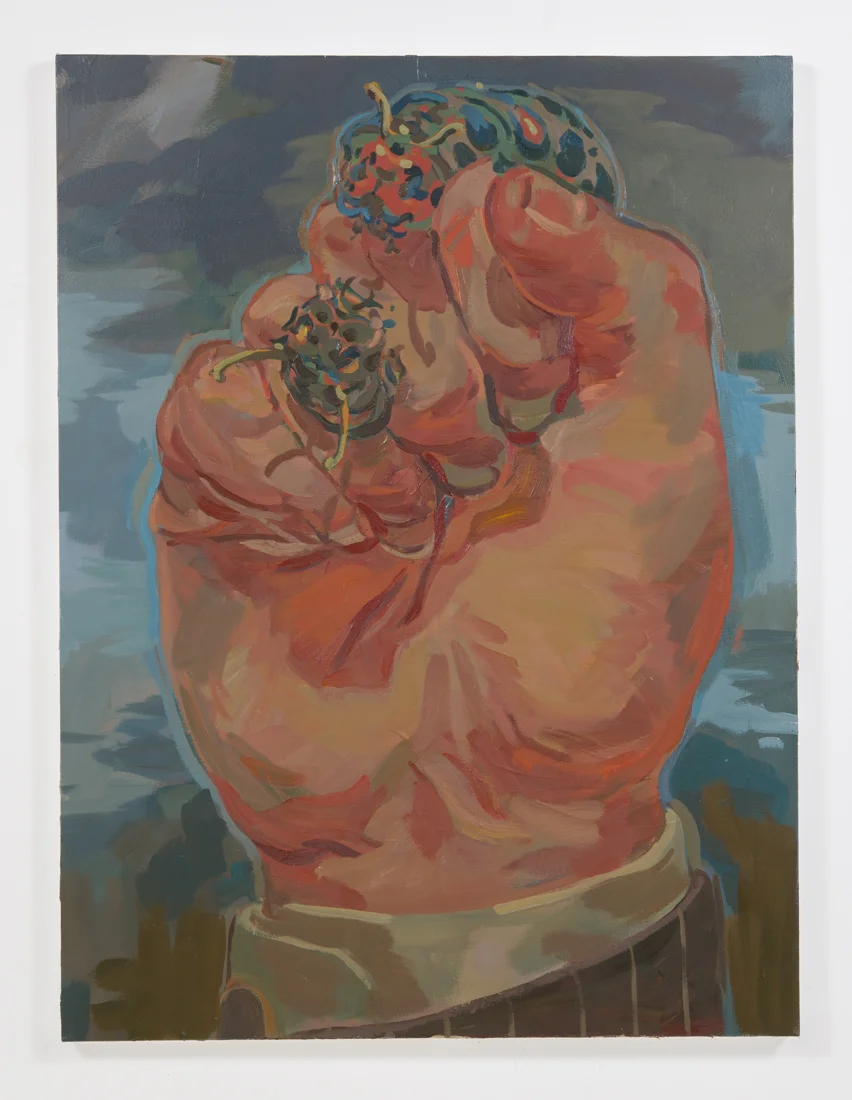
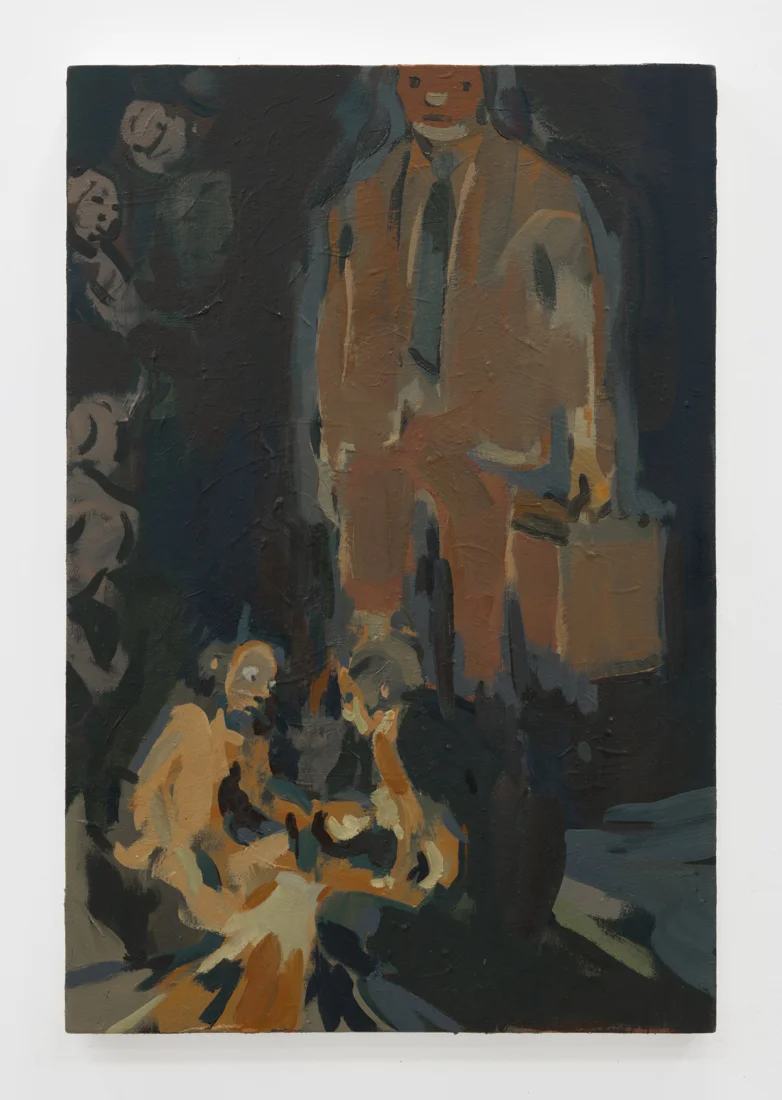
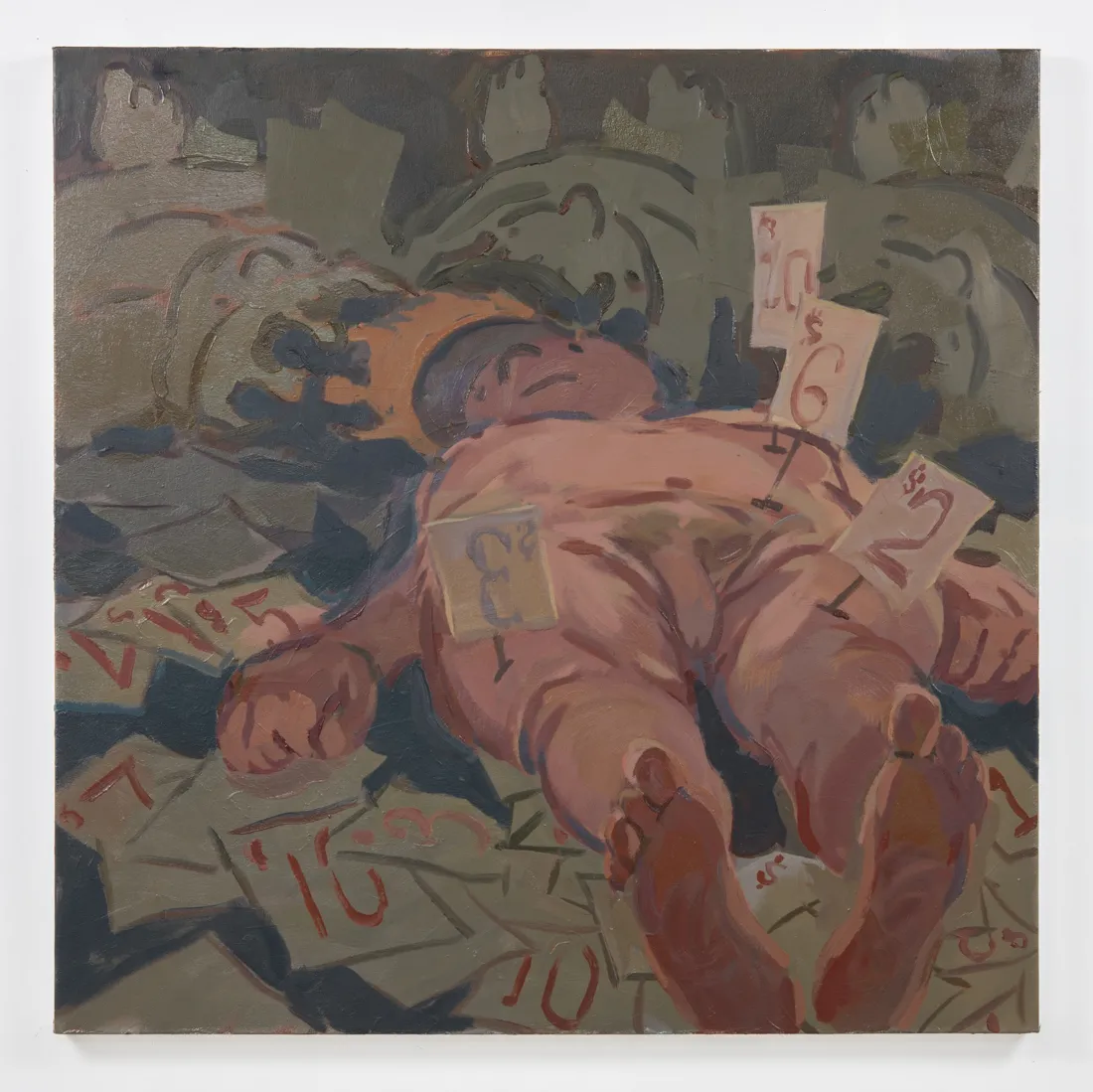
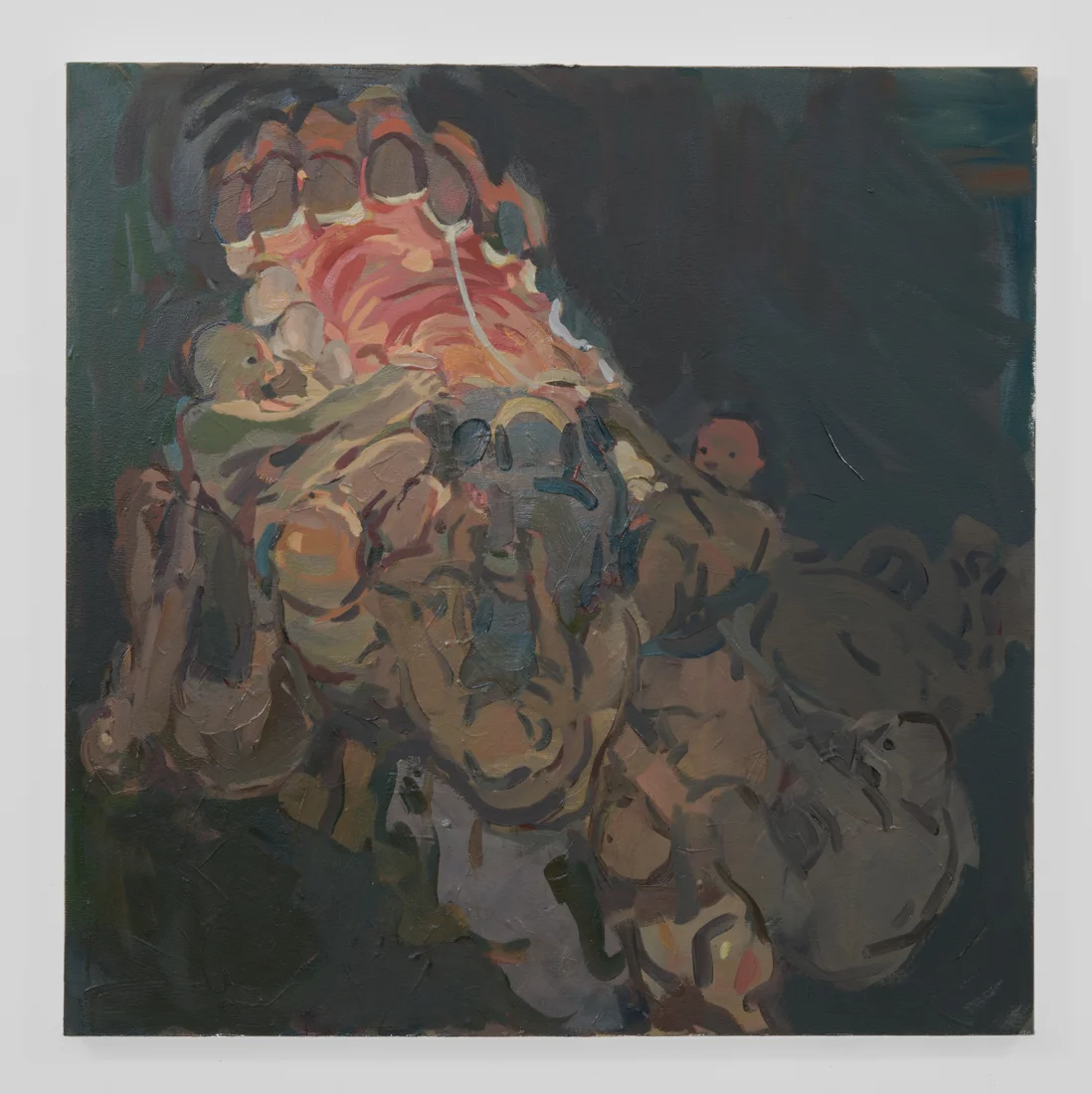
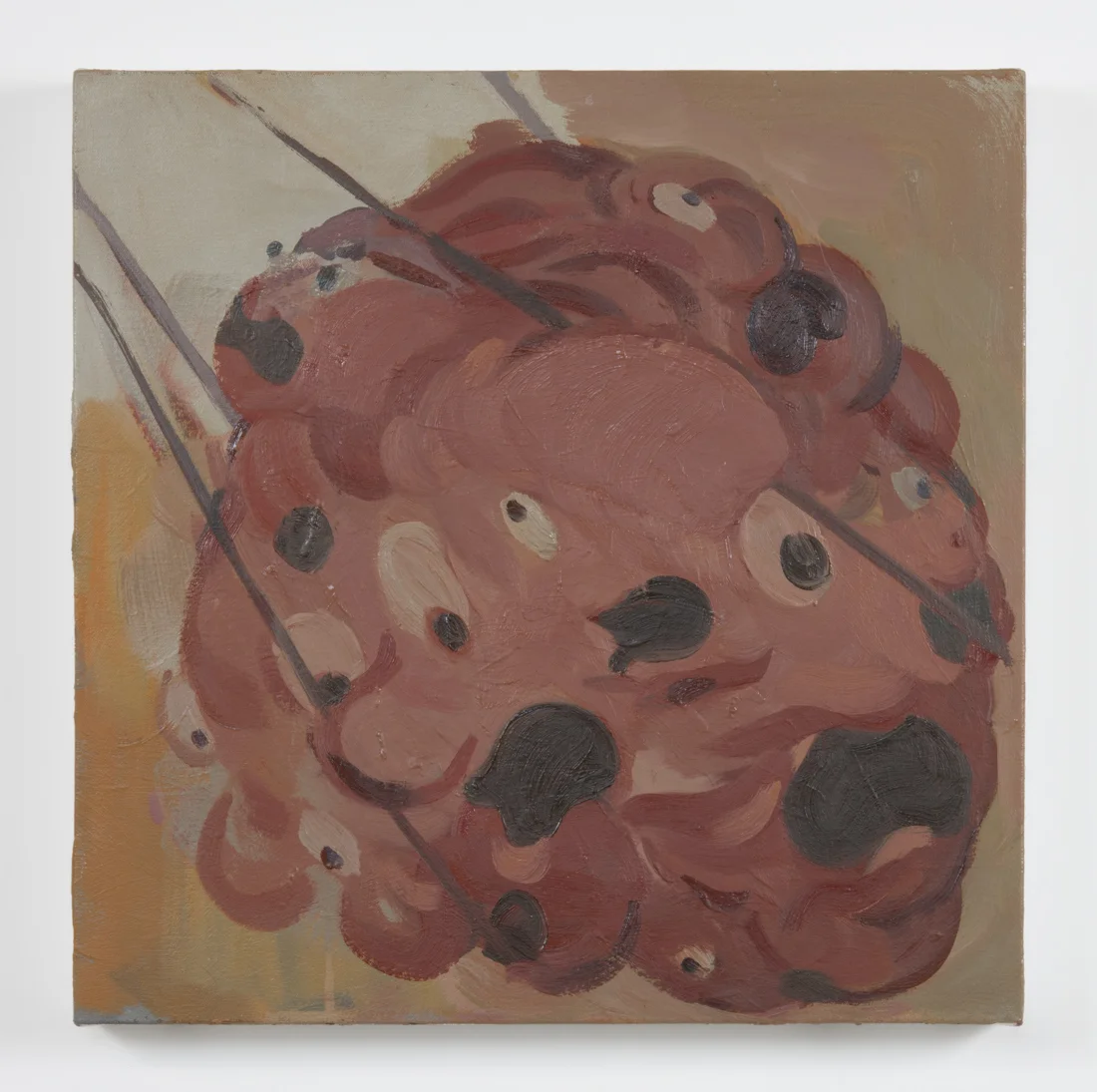
Charles Karubian (b. 1969, Los Angeles, California) is an oil painter working in the tradition of figurative art as philosophical and political argument. His paintings are concerned with morality and its compromises, the vulnerability that runs through desire, and the inevitability of change, loss, and finality. The unconscious is as much his territory as the social world, and in his work the two are never fully separable. His figures inhabit a space where dream and reality bleed into each other, and the relationships between them take on an iconic, almost archetypal weight.
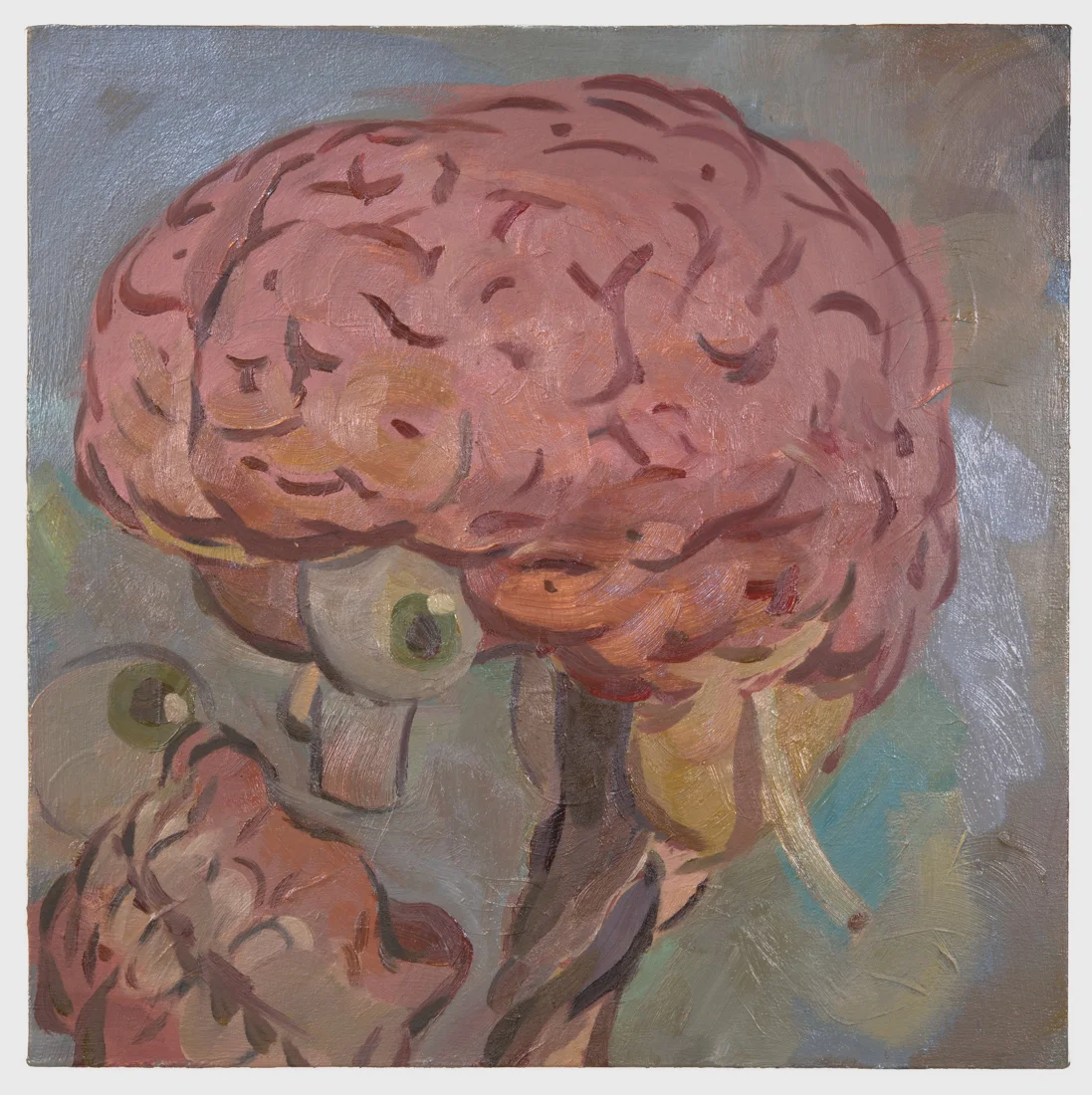
Yet to describe only the darkness is to miss something essential. Karubian is also genuinely, irrepressibly funny — a natural comedian who populates conversations with improvised voices and absurdist yarns the way he populates his canvases with eyeballs and talking burgers. The slapstick is not relief from the serious work, it is the serious work: brain on a stalk, a cheeseburger caught mid-blink, a man undone by seagulls. These are visual puns, and puns are philosophy by other means. The childlike imagination that makes him such an entertaining presence is the same imagination that sees through the ordinary arrangements of things.
If you were a witch throwing ingredients into a cauldron to conjure this particular artist, the recipe would include: childhood trauma and violence; long hours alone with nothing to do; a strong, hungry mind left to absorb whatever it could find. He read De Quincey’s Confessions of an Opium Eater at nine. After school, the television was his companion — The Twilight Zone, Inspector Gadget, Sigmund the Sea Monster, Wonder Woman. He wanted to join the family in Bewitched. At eight, he felt his first stirrings of desire watching Elke Sommer in I Dream of Jeannie. The darkness and the magic, the grotesque and the comic, the interior life and the spectacular image — all of it going in together, all of it still visible in the work.
His formation as a painter began at seven, drawing the figure from life. At the University of Arizona, Robert Colescott recognized his talent and directed him to the San Francisco Art Institute, where he earned a BFA in Painting in 1993, followed by an MFA at UCLA in 1997. The painters he shares kinship with — Goya, Blake, Hogarth, Daumier, Ensor — are united by their use of the figure as moral and political witness, and by the conviction that the ordinary arrangements of daily life are anything but neutral. History does not repeat in grand gestures. It repeats in the specific, and that is exactly where Karubian looks.
His work has been reviewed in the Los Angeles Times, LA Weekly, and Art+Auction, and featured in New American Paintings. He has had solo presentations at Hayworth Gallery and Jancar Gallery, Los Angeles; Parker Jones, Los Angeles; Black Dragon Society, Los Angeles and New York; Suzie Q Projects/Galerie Bob van Orsouw, Zürich; Galerie Patrick Ebensperger, Graz; Aliceday, Brussels; and at ARCO Madrid, among others.
Serious Topics will be presenting Charles Karubian: Burnt Offerings, a solo exhibition in Mexico City in February 2027, and a forthcoming solo exhibition of new work in Los Angeles in 2027. He lives and works in Los Angeles.

Inquire
Inquire
Inquire
Inquire
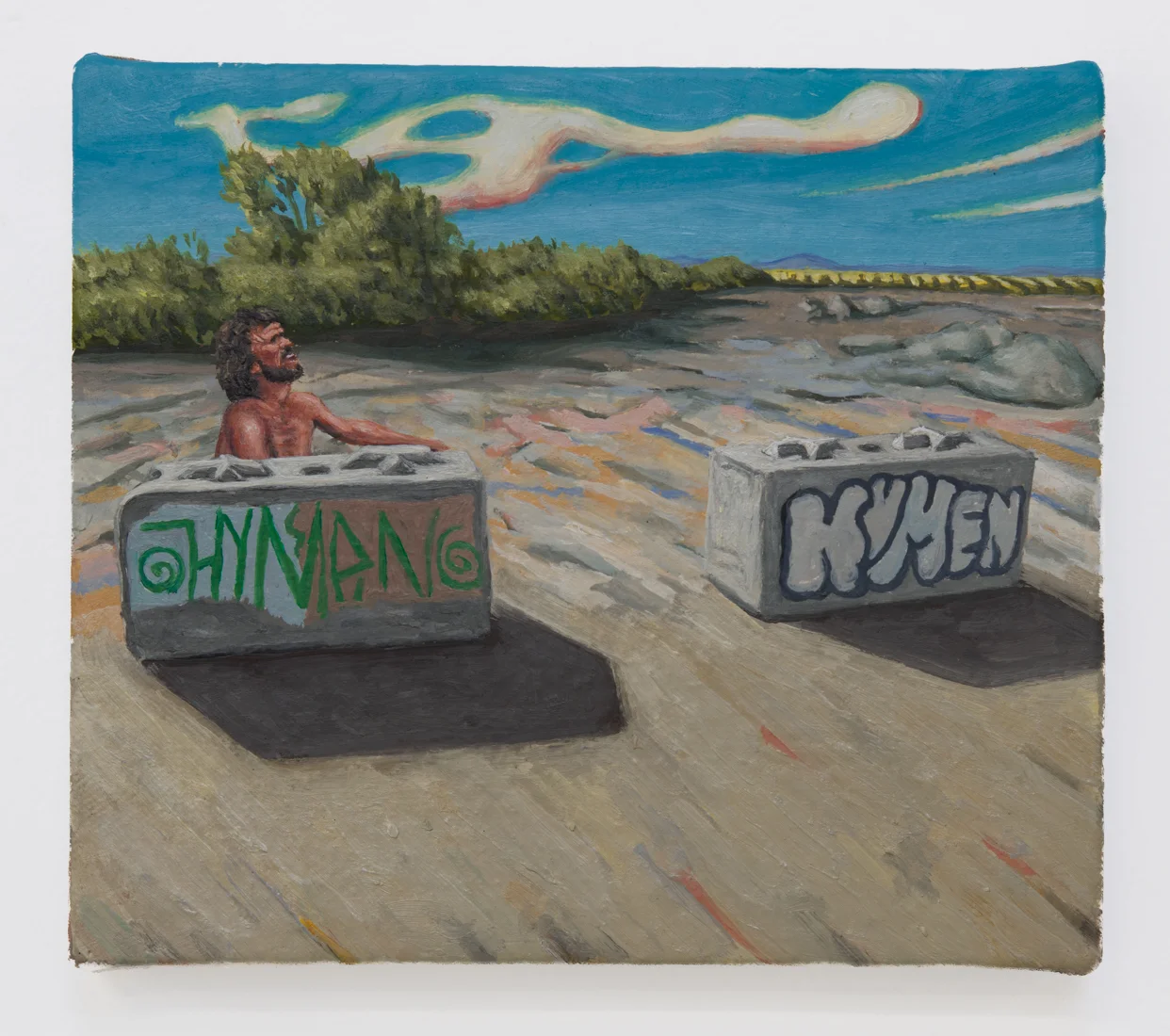
Inquire
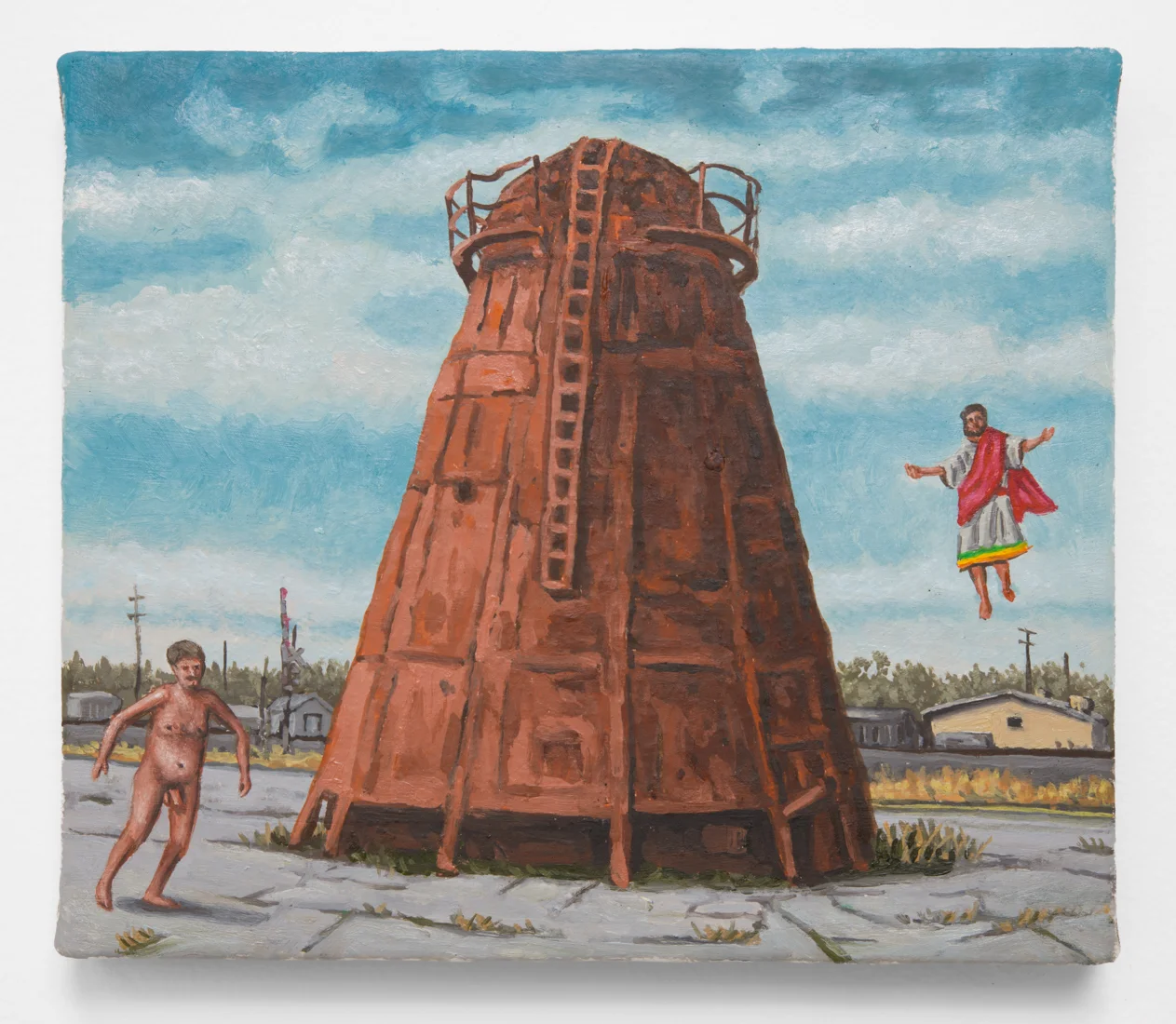
Inquire
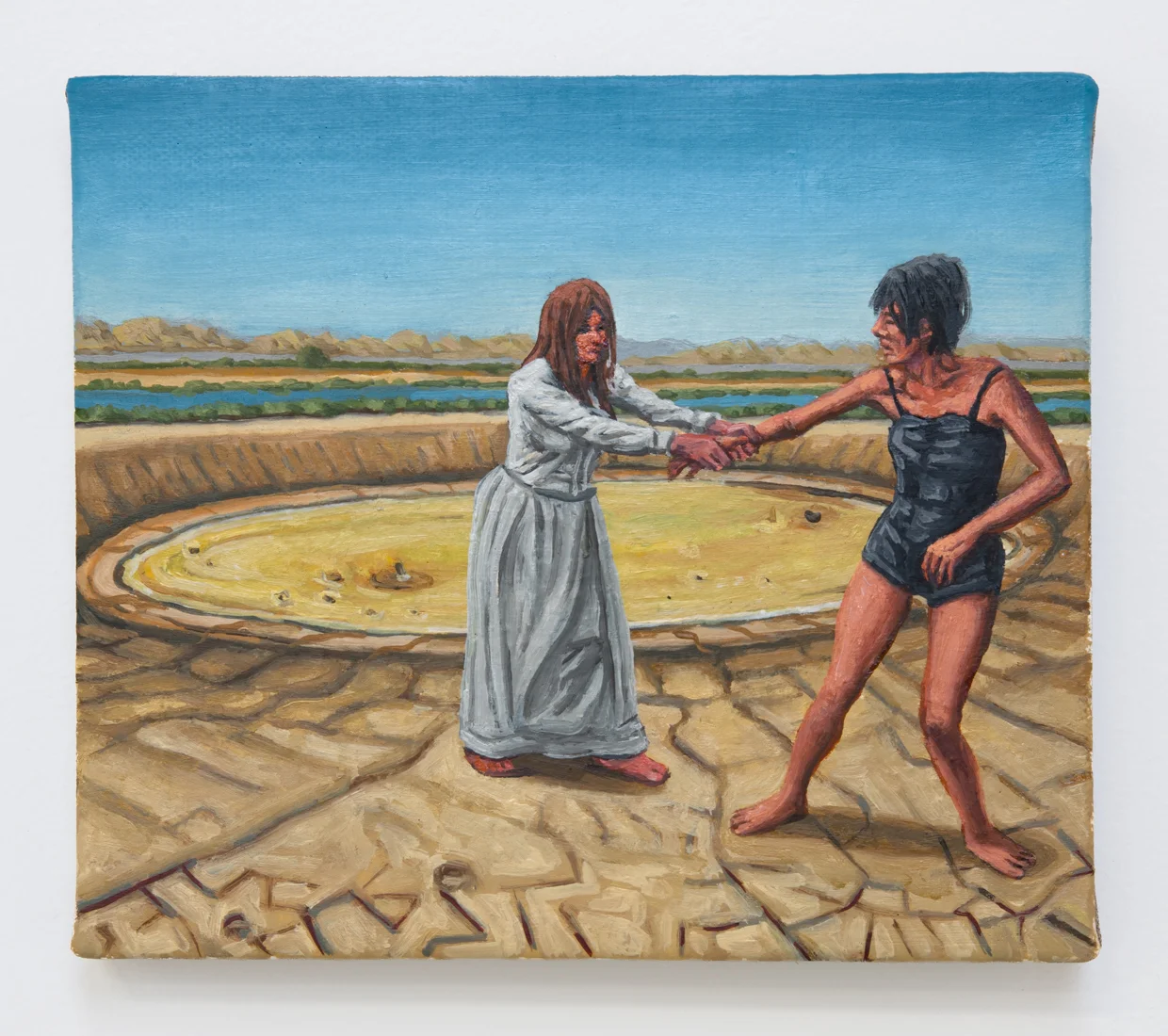
Inquire

Inquire
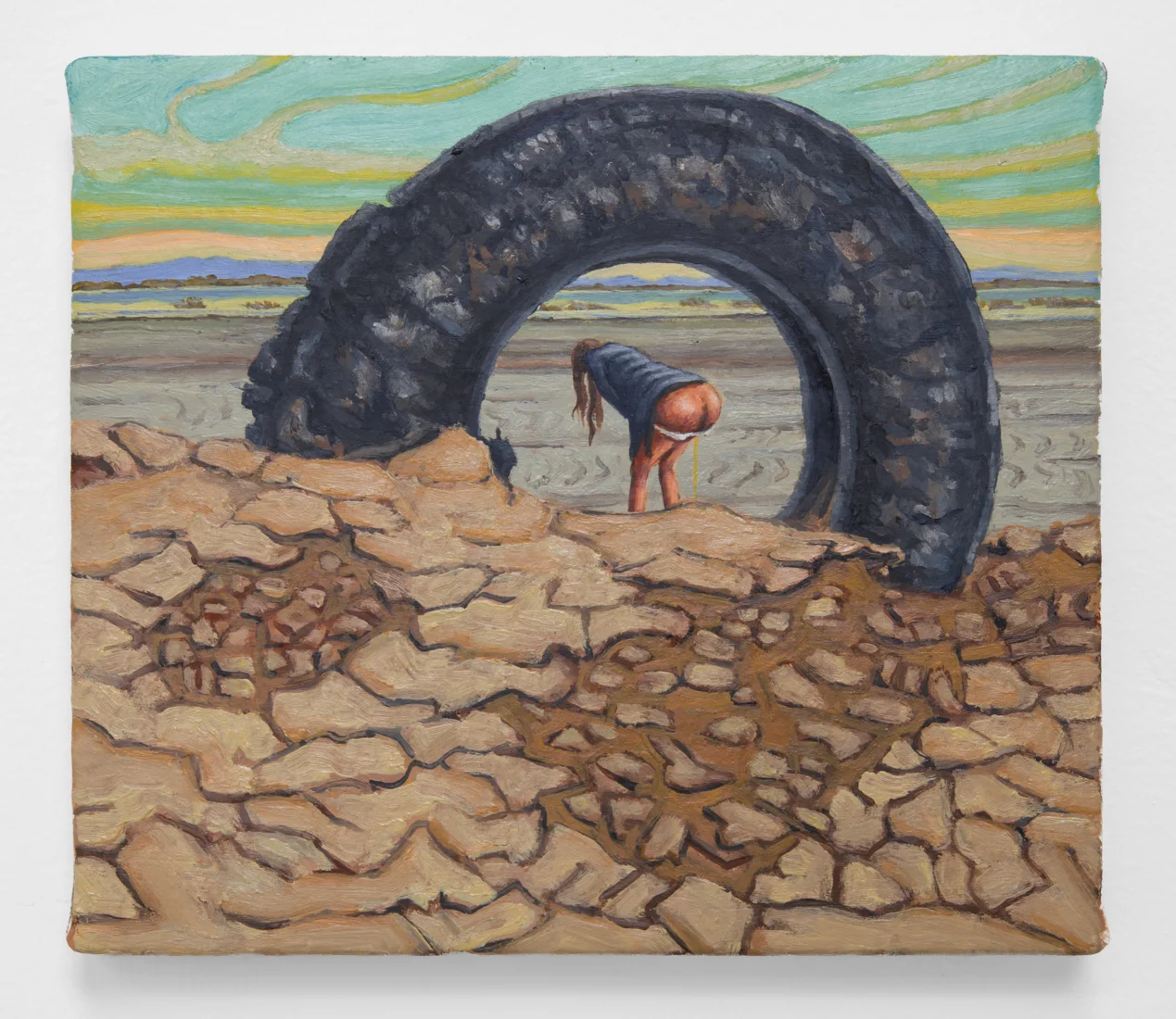
Inquire
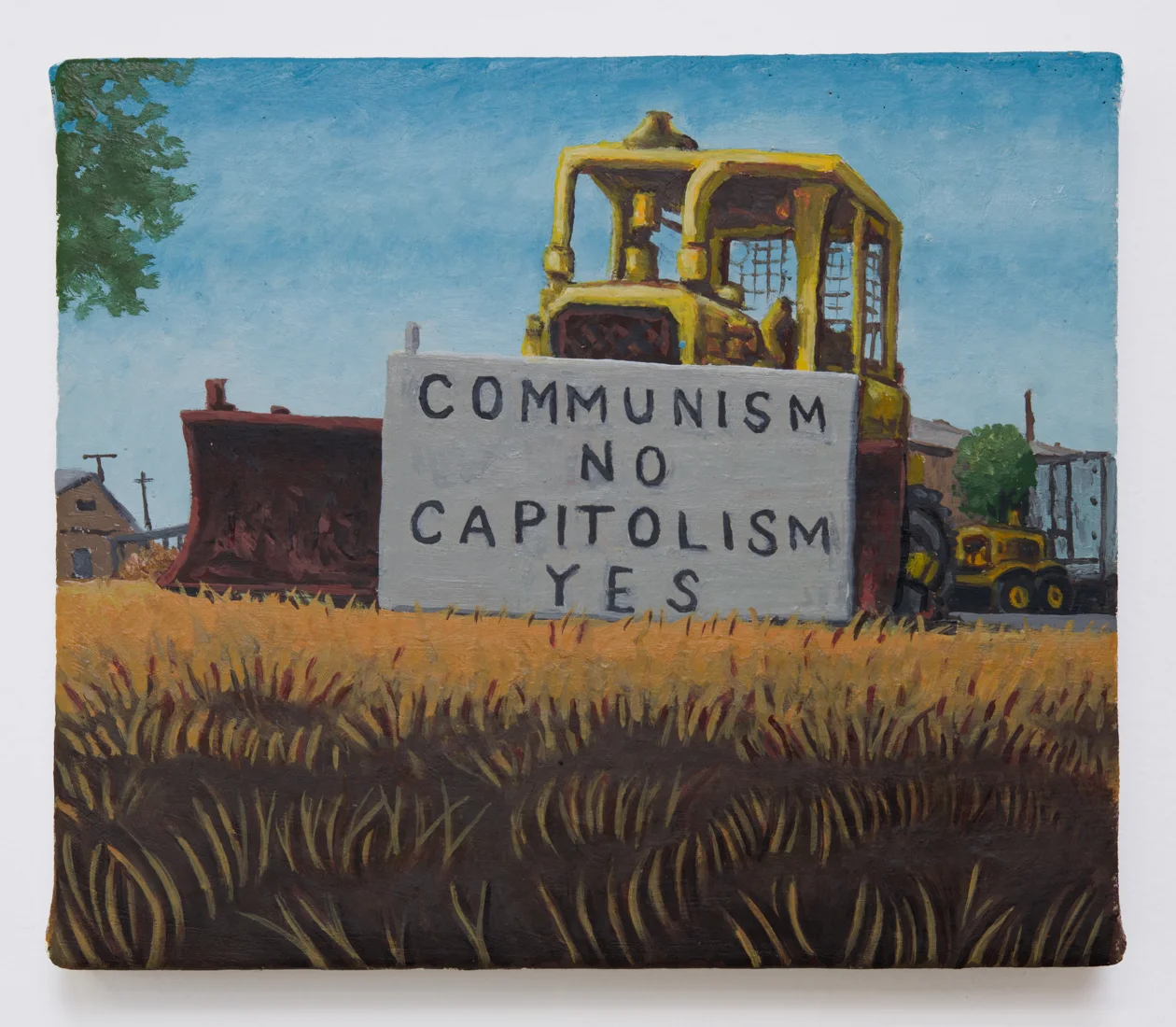
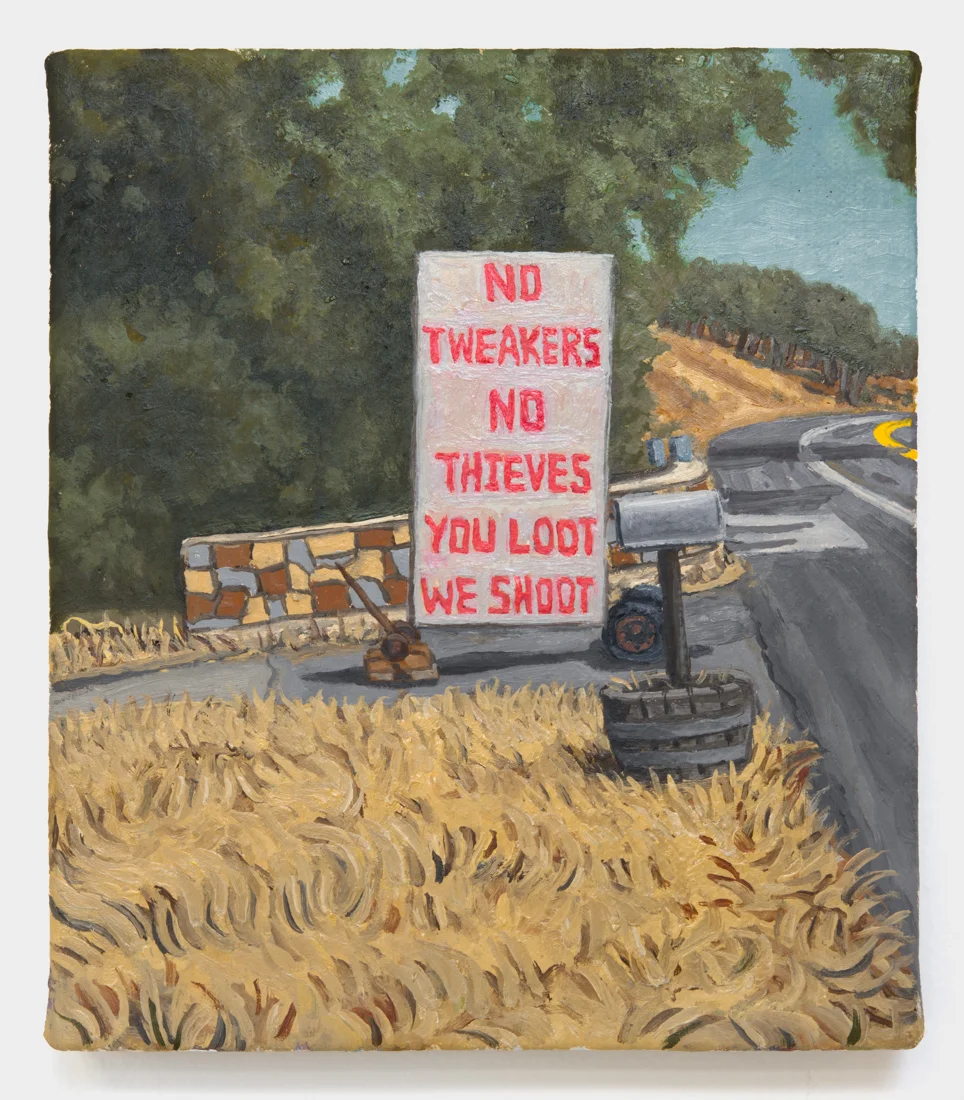
Jesse Wiedel (b. 1965) lives and works in Eureka, California. He received his BFA in painting from the San Francisco Art Institute. His paintings can be read as satire, social criticism, psychedelic excursions, or simply joyful celebrations of freedom. He works primarily in oil paint in a style that is both illusionistic and painterly.
For Houston, Serious Topics asked Wiedel to make paintings small enough to hide in the lining of a trench coat. The coat became a small drawer unit on wheels that goes under the table — the Secret Stash — each drawer revealing one delight after another.
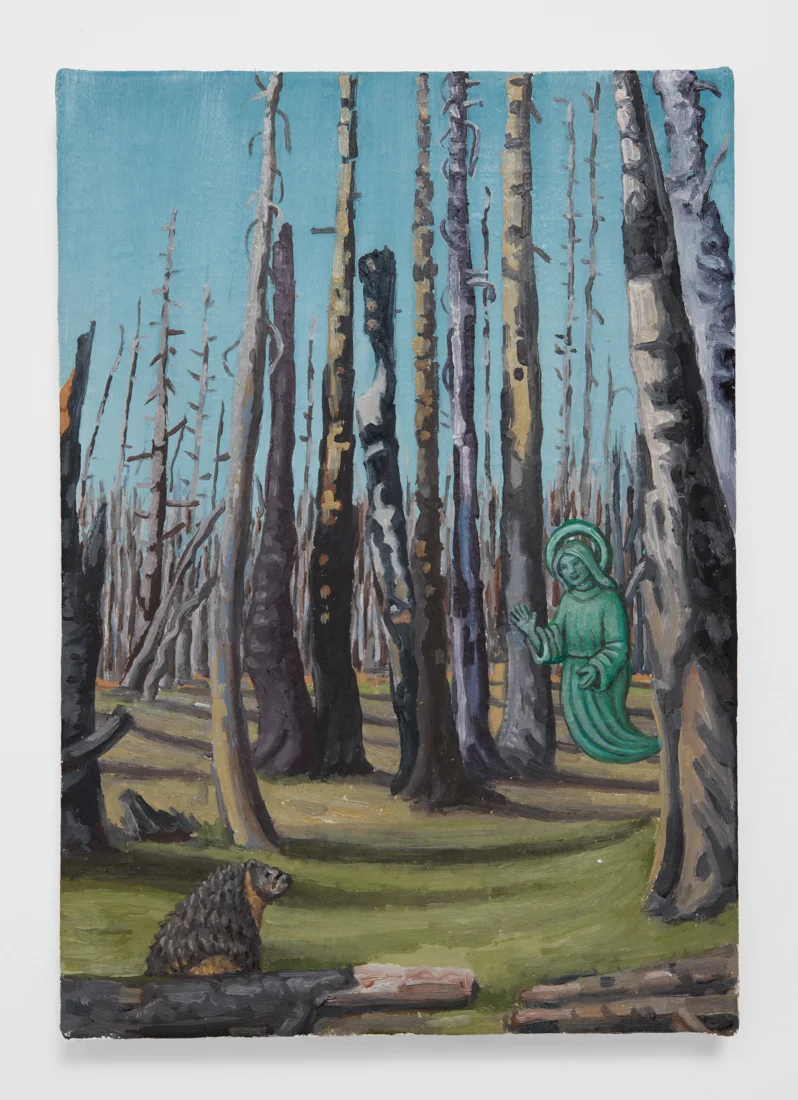
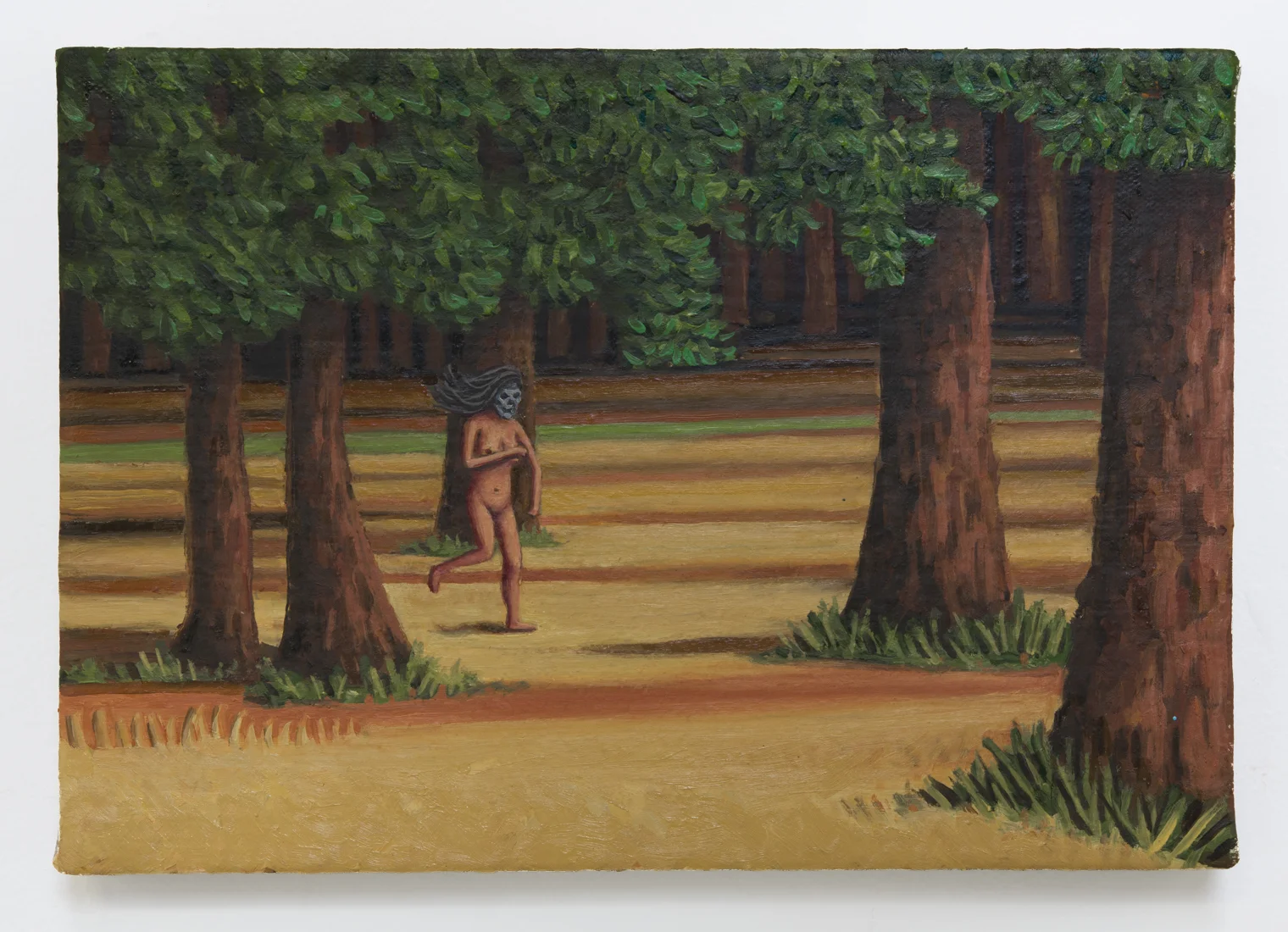
…and the Marmot Saw the Angel, 2026, shows a forest animal among burned trees, looking up at a floating green angel. The angel is smiling. A miracle? A hallucination? Little Poptones, 2026, is a recreation of a favorite painting lost years ago. On the other end of the spectrum is Wildlife Sanctuary, 2026: under a green and gold sky, a woman is framed by a circular tire. You don’t realize what she is doing until you look closely. It’s a very funny painting — she’s peeing. Crass, so it goes in the bottom drawer, could divide the room, but tons of fun and even plausibly miraculous in its own way.
Raised in a trailer community outside the parched, unassuming northern California town of Redding, Wiedel saw the surrounding landscape and its denizens through the eyes of a child at play. The magical in the abject, the beauty in the discarded, the playtime miracles, and communing with nature all mixed together to seed his work.
Wiedel’s paintings are also inspired by many movements in art history, including Ash Can, New Objectivity, Genre Painting, and Abstract Expressionism. Classical religious imagery is sometimes mixed in with scenarios of daily life to blend the cosmic with the ordinary. For many decades he has performed in garage/punk bands, a practice that also deeply informs his visual art. For more than thirty years he’s been making art in Humboldt County, California — where he finds yet more fertile ground for his interest in human folly and frailties.
Wiedel has exhibited extensively throughout his career, with solo exhibitions at Morris Graves Museum of Art (2025, 2004), and venues in San Francisco, Los Angeles, Brooklyn, and Portland. His work has been included in group exhibitions internationally, including shows in London, Berlin, Zurich, Antwerp, and Milan. It has been featured in publications including Turps Banana (UK), Beautiful Decay, and Artbound, and has earned praise from artists including Nicole Eisenman and Robyn O’Neil, as well as cultural figures such as Ann Magnuson and writer Kim Stringfellow, who have recognized his ability to capture both the decay of the American Dream and the psychedelic quality of everyday life. Serious Topics presented Stalking the Good Life in Los Angeles in 2026, and will present a solo exhibition of his work in Mexico City in February 2027.
“These are the people I work with every day.”
— Eureka police officer
For further information:
Kristin +1 (310) 988-0050
Josh +1 (310) 903-1873
email: info@serious-topics.com